

The best time for a prospect to discover your business isn’t always the moment they need your services. Ideally, they already know your name.
Professional-services decisions are often triggered by a moment of need—a new challenge, an upcoming renewal, a referral, or a change within the business. When that moment arrives, prospects are more likely to turn to firms they’ve already seen, heard from, or come to recognize.
That’s why effective marketing isn’t only about generating an immediate lead. It’s about building visibility, credibility, and familiarity over time so that when a prospect is ready to act, your organization is already on their radar.

Your Prospects Aren’t Always Ready to Buy
Professional services often have longer and less predictable buying cycles than other industries.
A potential client might encounter your business today, follow your team for months, visit your website several times, and not contact you until much later. In some cases, that relationship can develop over years.
That’s why looking only at immediate lead generation can give you an incomplete picture of how your marketing is performing.
If the only question you’re asking is, “How many leads did we get this month?” you may be overlooking everything happening before someone fills out a form or schedules a call.
Awareness, search visibility, website traffic, content engagement, and social interactions can all contribute to the relationship that eventually turns a prospect into a client.
Be Known Before You’re Needed
A prospect might first see a useful insight from your team on LinkedIn. Weeks later, they find an article on your website, hear your company mentioned by a colleague, or encounter your name again through an email or event.
None of those interactions may generate an immediate lead, but together, they build familiarity and credibility.
That’s where a consistent, multi-channel marketing strategy matters. By showing up with relevant, useful content over time, your organization has the opportunity to become a familiar name before a prospect is actively searching for help.
When that need finally arises, you don’t want to be introducing yourself for the first time.
Build Demand Before the Sales Conversation
For professional-services organizations, the goal isn’t simply more impressions, clicks, or website traffic. It’s consistently reaching the right people, demonstrating your expertise, and creating familiarity that can lead to future business conversations.
That requires your marketing channels to work together. Search, content, social media, email, and other touchpoints should reinforce the same positioning and keep your organization visible throughout the buying journey.
At Mountain Mojo Group, we connect those efforts around a larger strategy—one designed to turn visibility into familiarity, familiarity into trust, and trust into opportunities for business development.
Here’s how each channel plays a role.
SEO + Search Visibility
Your prospects are searching for answers long before they’re searching for a specific provider. SEO can help your organization appear when people research the questions, challenges, and decisions related to your expertise.
Thought Leadership
Professional-services marketing depends heavily on trust. Useful articles, insights, guides, case studies, and expert perspectives give your team opportunities to demonstrate what they know rather than simply telling prospects what they sell.
For B2B and professional-services organizations, LinkedIn can provide another consistent point of contact with the people and organizations you want to reach. The goal isn’t simply to post more often. It’s to give your audience a reason to recognize your name and pay attention.
Website Strategy
Your website should do more than act as an online brochure. It can answer questions, demonstrate expertise, provide useful resources, and help prospects understand why your organization may be the right fit when they’re ready to take the next step.
Email + Nurture
Not every prospect is ready for a sales conversation today. Email allows your organization to maintain a connection and continue providing value without requiring someone to make an immediate decision.
Campaigns + Outreach
Strategic campaigns give your organization meaningful reasons to start or restart conversations with the people you want to reach.
Reporting
Professional-services reporting shouldn’t stop at counting leads—or focus on awareness metrics alone. The strongest measurement looks at how the two work together.
Search visibility, website traffic, content performance, and social engagement can show whether your organization is reaching the right audience and building awareness over time. Conversion metrics help show what happens next: whether that visibility is leading to meaningful engagement, inquiries, and ultimately new business opportunities.
Together, these metrics provide a clearer picture of how marketing supports the full journey from first impression to future conversation.

What Does This Look Like in Practice?
In August 2026, one professional-services firm working with Mountain Mojo Group saw significant year-over-year growth in digital visibility across search, website traffic, and LinkedIn.
During the month, the firm’s website generated 2,192 sessions, a 181% increase compared with August 2025, along with 42,265 organic search impressions.
The firm’s average search position improved from 38.7 to 19.8, while impressions for the search term “retirement planning” increased 1,004% compared with August 2025.
Visibility grew on LinkedIn as well, with impressions increasing 146% and clicks increasing 1,189% year over year.
Those numbers show meaningful growth in awareness and engagement—but they don’t tell the entire story.
The website recorded nine conversions during August 2026, a decrease compared with August 2025. That distinction matters. Increased visibility doesn’t automatically translate into more leads or immediate business opportunities.
Instead, awareness and conversion metrics need to be evaluated together. Visibility shows whether more of the right people are discovering and engaging with a brand, while conversions help measure whether that attention is turning into meaningful action.
That’s why the bigger story isn’t any one number. It’s understanding how each stage of the marketing journey is performing and using that information to determine what comes next.
More Opportunities to Be Discovered
Here’s what the case study shows: increased visibility across search, website traffic, and LinkedIn created more opportunities for potential clients to encounter the organization.
An impression isn’t automatically a customer, and a website visit or LinkedIn click doesn’t guarantee a future sales conversation. But each touchpoint can help put the organization’s name, expertise, and content in front of more of the right people.
That’s the role awareness plays in a broader business development strategy. While these interactions can’t be directly tied to future sales without additional attribution data, they can help build the visibility and familiarity that keep an organization from being completely unknown when a need arises.
The first sales conversation shouldn’t be the first time a prospect hears your name.
The Familiarity Test: Would Your Prospects Recognize You Today?
Use this quick checklist to evaluate whether your marketing is building familiarity before prospects are ready to buy:
- Search: When you search for the questions and problems your clients commonly have, does your organization appear?
- LinkedIn: Are you consistently sharing useful insights that give the right audience a reason to pay attention?
- Website: Does your website demonstrate your team’s expertise, or does it primarily list the services you sell?
- Prospect Nurturing: Do you have a strategy for staying visible and useful to prospects who aren’t ready to make a decision yet?
- Overall Marketing: Are you building an audience and establishing familiarity over time, or does every interaction immediately ask someone to schedule a call?
If you answered “no” to several of these questions, there may be an opportunity to strengthen how your organization shows up throughout the buying journey.
Because if your marketing only activates when you need leads, you may be starting the relationship too late.

Will Your Prospects Know You When They Need You?
Building visibility today can create opportunities for tomorrow.
Whether you’re looking to strengthen your digital presence, reach the right audiences, or create a more consistent marketing strategy, Mountain Mojo Group can help you think beyond the next lead and build familiarity over time.
Connect with Rand at Mountain Mojo Group to talk through your organization’s goals, current marketing efforts, and where there may be opportunities to strengthen your approach. From there, we can determine what next steps make sense for your business.
Book a Free Marketing Strategy Call
Grab a meeting with Rand, one of Mojo’s Founders!
What can I expect from a call with Rand? Expect a relaxed, no-pressure chat. Rand will get the quick scoop on your business, ask a few smart questions about leads, your website, and your CRM/follow-up, then help spot what’s really holding growth back. You’ll leave with clear, practical next steps, whether you work together or not.
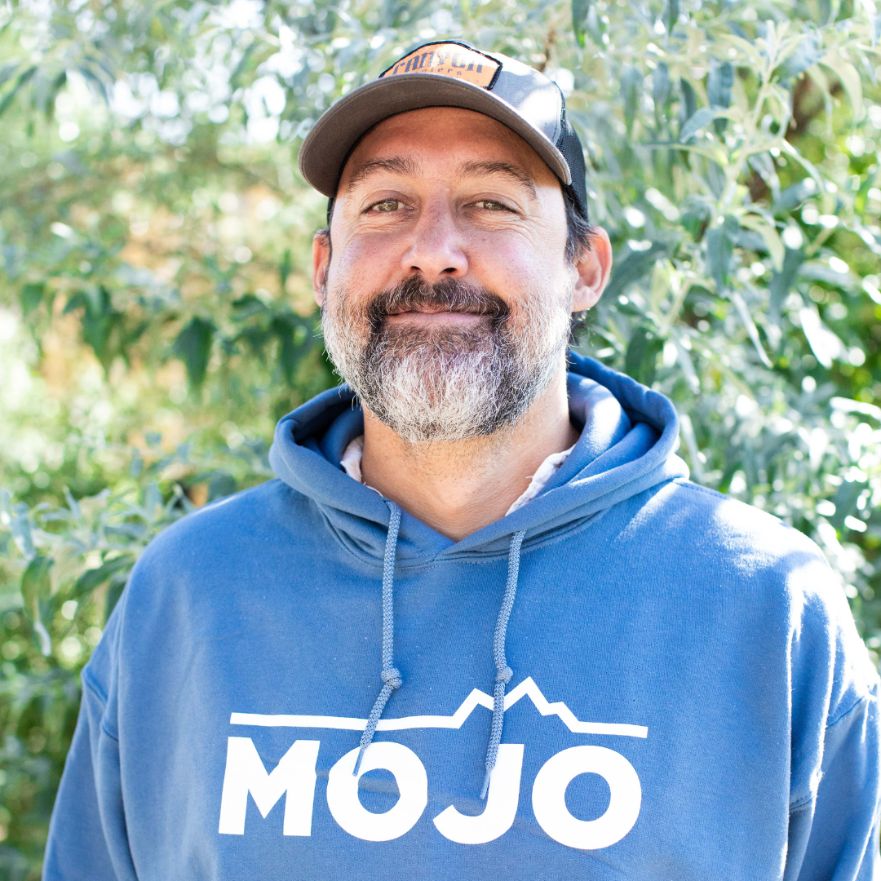
Who's Rand?
Rand’s journey started in restaurants, then took a sharp turn into MTV production in 2003, leading to 1,400+ concerts, festivals, and fundraisers. He co-founded Flagstaff’s Green Room venue, operated major outdoor events at the Pepsi Amphitheater, and ran three festivals before two successful exits led him to launch Mountain Mojo with partner Austin Leggett in 2015. Off the clock, he’s big on service, mentoring, and – most importantly – family time.
Never Miss a Thing.
Need more Mojo in your life? Sign up for our monthly newsletter! Get the inside scoop on Mojie life, client highlights, website projects, new Mojo clients, marketing tips & tricks, and so much more! Your inbox could use more Mojo!