

It’s mid-November, and for a lot of owners the holiday plan is still a few notes on a sticky pad. Thanksgiving falls on November 26 this year, Small Business Saturday follows on the 28th, and December moves fast after that. The good news is that holiday marketing for local businesses works best when it’s simple, so a short runway is still workable.
What “holiday marketing” means also depends on what you sell. A gift shop is thinking about foot traffic and gift guides. A salon, HVAC company or accounting firm is more likely trying to fill the last open appointments of the year, sell gift cards or get January on the books. The approach below works for both, and it starts with deciding what you want the season to do for your business.
Start With the One Result You Want
Before you pick a promotion or plan a single post, decide what this campaign needs to accomplish. Choose one primary outcome, such as:
- More year-end sales
- More booked appointments
- More qualified leads (people who are a real fit and ready to talk)
- Return visits from past customers
- A fuller January calendar
Next, check that goal against what your business can actually handle in December. How much inventory is on hand? How many appointments can your team take with people out for the holidays? How quickly can someone answer a new inquiry? A campaign that brings in more demand than you can serve leads to frustrated customers and a stressed-out team.
If your December calendar is already close to full, you might skip the December promotion and market January openings instead. Whatever you choose, write down what success looks like before you launch, such as a number of bookings or gift card sales. That gives you something more useful to measure than likes.
Build an Offer That Gives People a Reason to Act
A holiday offer doesn’t have to be a deep discount. Big markdowns can cut into the margin you’ll want going into a slower month, and a simple, well-timed offer often does the job. Depending on your business, that could be:
- Gift cards or giftable service packages
- Seasonal products or services
- Limited-time bundles
- A thank-you offer for existing customers
- An incentive to book a January appointment now
A salon might lead with gift cards and January appointments. A home services company could promote furnace checks and winterizing before the next cold snap. A local retailer could bundle a few best sellers into ready-to-gift sets. A professional firm might invite past clients to book a January planning meeting.
Keep the offer easy to understand. In a few seconds, customers should know what it is, who it’s for, when it ends and what to do next. Spell out dates, exclusions and redemption details from day one, and make sure your front-line staff know them too, so nobody is guessing at the register or on the phone.
Make Sure Customers Can Find You and Take Action
A great offer can still lose business if people can’t figure out the next step. Look at your business the way a new customer would: search for it on Google, then pull it up on your phone. Can you find your holiday hours, the offer, your phone number and a working booking or buy button without hunting?
Start with your website. Put the campaign where people will see it, whether that’s a homepage banner, a short landing page (one page built around one offer and one action) or a call to action on your main service pages. Then test the whole path yourself. Submit your own contact form, click every booking link, run a test purchase and check it all on mobile.
Next, update your Google Business Profile. Add holiday hours, confirm your phone number and website link, and post your offer there too. In Northern Arizona, this matters even more on winter weather days. If a storm changes your hours, update your profile and social channels right away so no one drives across town to a locked door.
Use One Message Across Every Channel
Holiday marketing gets complicated fast when every channel runs its own campaign. Start with one message and one goal, then adapt it for each place customers see you. Your website holds the full details. Email introduces the offer to people who already know you. Social media keeps it visible with photos, short videos, staff picks and reminders.
A simple three-part rhythm works for most local businesses:
- Announce the offer and why it’s worth their attention.
- Support it with useful content: answer common questions, show the product or service in action, or share a seasonal tip.
- Remind people before the deadline.
Give each message one clear next step, like “Book your January appointment” or “Buy a gift card.” When a single post asks people to shop, call, follow and sign up, most of them do none of it.
Shop-local moments help, too. Small Business Saturday, Chamber events and Local First Arizona programs give your message a natural reason to show up in people’s feeds. Paid ads can extend your reach when you have a clear goal, a defined audience, a realistic budget and tracking in place. Ads won’t fix a confusing offer or a broken booking page, though, so get those right first.
Reach Out to the Customers Who Already Know You
Some of your best year-end opportunities are already on your customer list. These people have bought from you, booked a service or walked through your door, so a holiday message from you feels familiar instead of cold.
Make that outreach useful. A retailer can suggest gift ideas based on what customers bought before. A service provider can send a seasonal maintenance reminder. If you have quotes or inquiries that went quiet this fall, December is a natural time to follow up.
Personalize where you can, and only email or text people who have agreed to hear from you. One thoughtful message usually does more for the relationship than a week of repeated promotions.
Use December to Fill January
If January tends to be a slow month for your business, December is the time to do something about it. Your year-end marketing can keep working well after the holidays are over.
If December is booked, keep marketing and point people to January openings. If you’re closed for part of the holidays, keep collecting inquiries and tell people when they’ll hear back. If someone isn’t ready to buy yet, give them an easy way to stay connected, such as joining your email list. In December, you can:
- Book January appointments
- Collect inquiries for the new year
- Grow your email list
- Preview services or products coming in January
- Remind gift card holders to come back and use them

Try to write your January emails and posts before the holiday rush peaks. That way the new year starts with a plan instead of a scramble.
Measure the Results That Matter
When the campaign wraps up, go back to the goal you set at the start. If it was sales, how many purchases came from the campaign? If it was appointments, how many were booked? If it was leads, how many were a real fit for your business?
This is much easier if tracking is set up before launch, so you can see which form fills, calls and bookings came from the campaign. Website traffic, social engagement, email open rates and impressions still help explain how people found you. They matter most when you can connect them to sales, bookings and inquiries.
Write down what worked, what didn’t and what you’d change. Next year’s plan will start from real results instead of a blank page.
Finish the Year With a Plan for the Next One
The businesses that get the most out of the holidays usually aren’t the ones with the biggest discounts or the most posts. They have a clear goal, an offer that fits, an easy way to buy or book and steady follow-up into January.
At Mountain Mojo Group, we help local businesses across Northern Arizona connect their website, Google presence, email, social media and ads so every piece points at the same goal. If your year-end plan could use a little more Mojo, or you want to map out what January and the rest of 2027 should look like, let’s talk.
Book a Free Marketing Strategy Call
Grab a meeting with Rand, one of Mojo’s Founders!
What can I expect from a call with Rand? Expect a relaxed, no-pressure chat. Rand will get the quick scoop on your business, ask a few smart questions about leads, your website, and your CRM/follow-up, then help spot what’s really holding growth back. You’ll leave with clear, practical next steps, whether you work together or not.
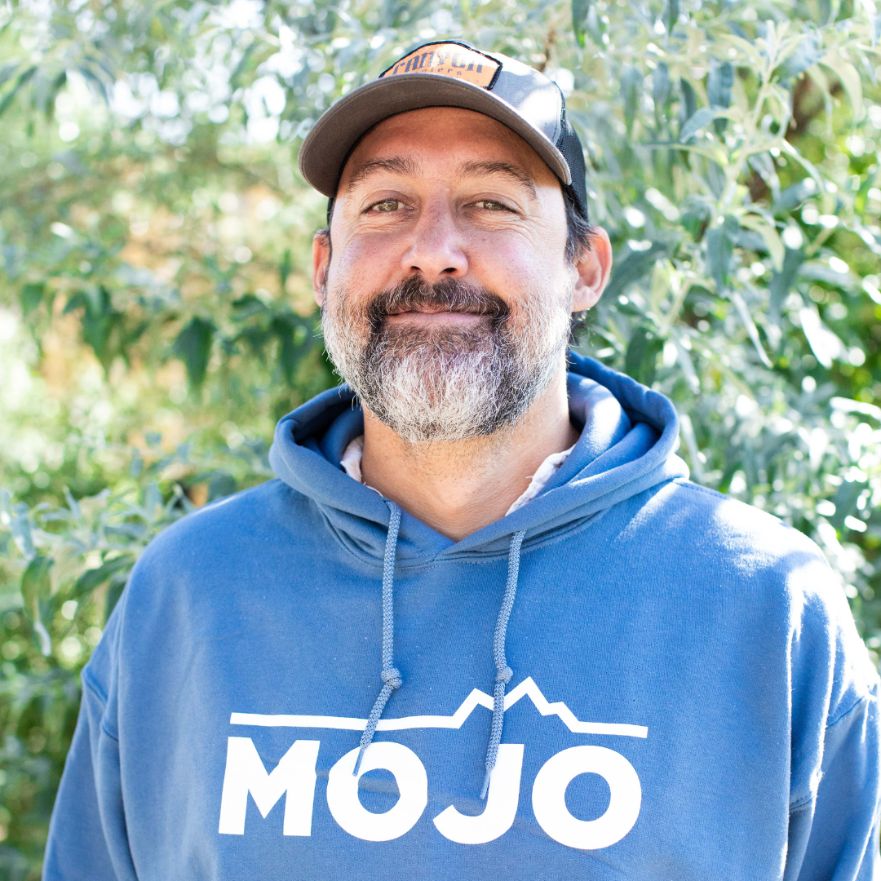
Who's Rand?
Rand’s journey started in restaurants, then took a sharp turn into MTV production in 2003, leading to 1,400+ concerts, festivals, and fundraisers. He co-founded Flagstaff’s Green Room venue, operated major outdoor events at the Pepsi Amphitheater, and ran three festivals before two successful exits led him to launch Mountain Mojo with partner Austin Leggett in 2015. Off the clock, he’s big on service, mentoring, and – most importantly – family time.
Frequently Asked Questions
How can a local business market during the holidays?
Start with one clear goal, such as sales, appointments, qualified leads or return visits from past customers. Build a simple offer around that goal, then share one consistent message across your website, Google Business Profile, email and social media. Make the next step obvious so customers know exactly how to buy, book, call or reach out.
What holiday promotions work for service businesses?
Service businesses don’t have to rely on retail-style discounts. Gift cards, giftable service packages, seasonal services, customer thank-you offers, bundles and incentives to book January appointments can all work. The right choice depends on your customers, your capacity in December and your margins.
When should a business start holiday marketing?
Ideally, planning starts before the rush, so there’s time to set the offer, create the graphics, update the website and confirm tracking. If you’re starting later, keep it simple: one offer, one message, an updated Google Business Profile and a short email and social plan. A focused campaign launched in November or early December can still do a lot of good.
How can December marketing help with January bookings?
Use December to promote January availability, collect inquiries, schedule appointments ahead of time and follow up with people who aren’t ready to buy yet. If you’re closed for part of the holidays, keep your forms and booking links open and tell customers when they’ll hear back.
Never Miss a Thing.
Need more Mojo in your life? Sign up for our monthly newsletter! Get the inside scoop on Mojie life, client highlights, website projects, new Mojo clients, marketing tips & tricks, and so much more! Your inbox could use more Mojo!