
Hardware Marketing Series · Part 6 of 16
Branding isn’t just your logo. For hardware stores and lumberyards, it shows up everywhere: your storefront, signage, website, Google Business Profile, social media, email and even how your team answers the phone.
Here’s the reality: most branding problems aren’t obvious until you step back and look at everything together.
At Mountain Mojo Group, we often see stores with strong values and great service, but branding that feels inconsistent, outdated or unclear. That disconnect makes marketing harder than it needs to be. Here’s how to audit your branding in a practical way, so you can see what’s working, what’s not and where small changes can make a big difference.
This guide is Part 6 of our 16-part hardware marketing series. Each article walks through one step in building a connected marketing strategy for independent hardware stores and lumberyards, from organizational clarity to a complete marketing system built for long-term growth.
Free template · Step 6 of 16
Brand Audit Template
This template helps you:
- Review brand elements and touchpoints
- Identify inconsistencies
- Align branding with your mission and values
- Prioritize improvements
Why a Brand Audit Matters for Hardware Stores and Lumberyards
Your branding sets expectations before a customer ever walks through the door.
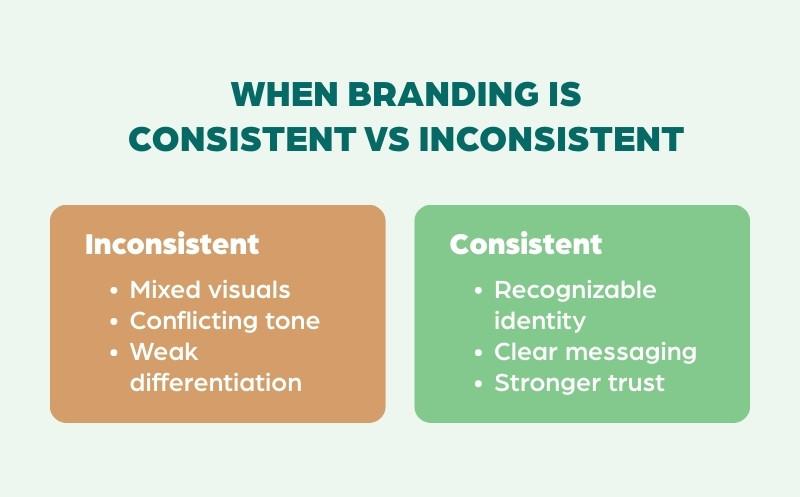
When branding is consistent and clear, customers recognize you, marketing feels more credible, trust builds faster and messaging sticks.
When branding is inconsistent, marketing feels scattered, customers get mixed signals, differentiators get lost and your effort doesn’t compound.
Ask yourself:
- Do our visuals reflect who we are today?
- Is our messaging consistent across channels?
- Does our brand align with our mission and values?
- Are we easy for customers to recognize and remember?
This isn’t about rebranding for the sake of change. It’s about making sure what you put into the world accurately reflects your business and supports growth.
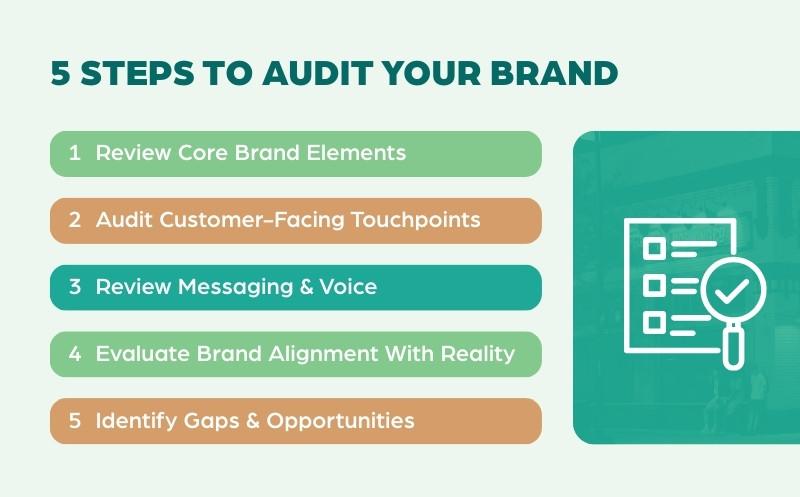
Step 1: Review Your Core Brand Elements
Start with the fundamentals: your logo usage, color palette, fonts and any taglines or slogans. Ask:
- Are these used consistently?
- Do they reflect our mission and values?
- Do they feel current or dated?
Mojo Tip: Put your website, social media, email and in-store signage side by side. If things feel mismatched, customers notice it too.
You don’t need to love every design choice, but your brand should feel intentional and recognizable. Inconsistency here often turns into marketing confusion later.
Step 2: Audit Your Customer-Facing Touchpoints
Next, review where customers actually experience your brand:
- Website
- Google Business Profile
- Social media profiles
- Email newsletters
- Signage and in-store materials
Look at them side by side and ask:
- Does this all feel like the same business?
- Is messaging consistent?
- Is tone aligned across platforms?
Customers should feel continuity from one channel to the next. A brand audit surfaces the gaps that may be undermining trust or recognition.
Exercise: Look at your brand like a customer. Think about a time a brand felt confusing or inconsistent. Maybe the website felt polished but social media sounded casual, or the emails promised one thing and the store delivered another.
How did that make you feel? Did it affect your trust? Did the business seem less professional or reliable?
Your customers can have that same reaction when your branding sends mixed signals. This exercise helps you step outside the business and see your brand the way they do.
A brand audit brings those inconsistencies to the surface so you can address them intentionally. Many owners also find that conversations with other independent hardware retailers and industry peers highlight branding gaps that aren’t obvious from the inside.
Step 3: Review Messaging and Voice
Branding isn’t just visual; it’s verbal. Review your website copy, social captions, email messaging, and headlines and calls-to-action. Ask:
- Are we clear about who we serve?
- Do we communicate what makes us different?
- Does our voice reflect our values?
If messaging varies wildly across channels, customers may struggle to understand what your store stands for. Clear, consistent messaging makes marketing more effective and easier to scale.
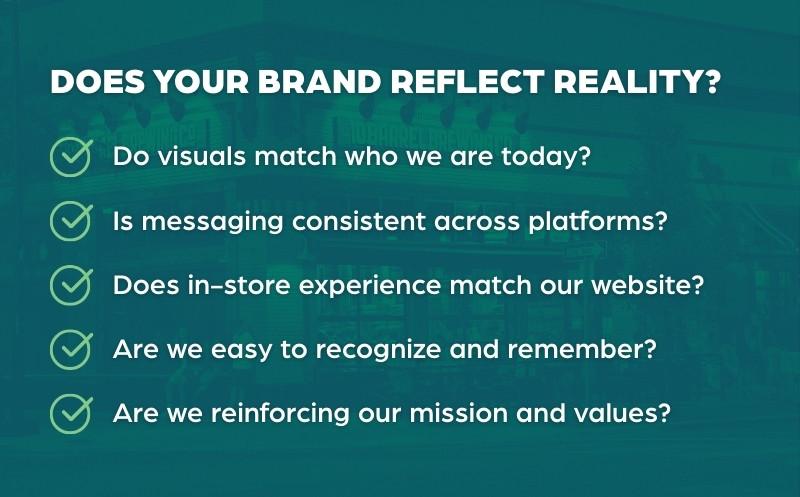
Step 4: Evaluate Brand Alignment With Reality
This step requires honesty. Ask:
- Does our branding reflect the in-store experience?
- Does it match how customers talk about us?
- Are we overpromising or under-communicating?
Exercise: Pressure-test expectations. Think about the experience your branding creates.
- If someone visited your website first, would the store feel familiar?
- Do your photos, tone and messaging match how your team shows up day to day?
- Are you setting expectations you can consistently meet?
Alignment doesn’t require perfection. Clarity often comes from small refinements, like simplifying messaging, updating visuals or adjusting tone to better reflect reality. At Mountain Mojo Group, this is often where brands unlock meaningful improvements by making things clearer, not bigger.
Step 5: Identify Gaps and Opportunities
After reviewing everything, summarize what’s working well, what feels inconsistent and where clarity is missing. That becomes your brand action list.
Not everything needs fixing at once. Prioritize the changes that support your marketing goals and improve customer understanding. A brand audit helps marketing work harder by removing friction and confusion. If you’d like help reviewing what you found or deciding on next steps, book a discovery call with Rand.
Quick Action Steps for Hardware Store and Lumberyard Owners
Want to start auditing your brand? Begin here:
- Gather your brand materials. Collect logo files, your website, social profiles, signage and marketing materials so you can review everything side by side.
- Review visual consistency. Check whether your logo, colors, fonts and taglines are used the same way across channels.
- Evaluate messaging and tone. Look at how you communicate on your website, social media, email and in-store materials.
- Compare your brand promise to the customer experience. Ask whether your branding reflects what customers actually experience in-store.
- Identify 3–5 priority improvements. Focus on the changes that will most improve clarity and consistency.
Download the Brand Audit Template
To help you complete this process, we’ve created a free Brand Audit Template built specifically for hardware stores and lumberyards. It works best alongside your organizational goals and mission, vision and core values.
Free template · Step 6 of 16
Brand Audit Template
This template helps you:
- Review brand elements and touchpoints
- Identify inconsistencies
- Align branding with your mission and values
- Prioritize improvements
Make Your Brand Work for You
A thoughtful brand audit brings clarity. When branding aligns with who you are and how you serve customers, marketing becomes more effective, consistent and trustworthy.
It’s the same approach we use at Mountain Mojo Group to help hardware stores build brands that grow with them.
In the next guide, we’ll cover how to create target personas with shopping behaviors, using the insights you’ve gathered so far.
Want help applying this to your store?
Let’s talk about how your brand shows up today, and where it could be stronger.
The Hardware Marketing Series
This article is part of our complete marketing strategy framework for independent hardware stores, lumberyards, farm stores and ag stores, including retailers affiliated with Ace Hardware, True Value and Do it Best, and suppliers such as Orgill. Work through all 16 steps to build your strategy in a structured, intentional way. See the full series.
- How to Create Organizational Goals for Your Hardware Store
- How to Create Revenue Goals
- How to Perform a Market Share & Competitive Analysis
- How to Create Customer Surveys
- How to Define Mission, Vision & Core Values
- How to Audit Your Branding (you’re here)
- How to Create Target Personas with Shopping Behaviors
- How to Audit Social Media, Google Ads & SEO
- How to Build & Maintain Your Google Business Profile
- How to Build a Social Media Plan
- How to Build an SEO Strategy
- How to Build Social Media & Google Ads Campaigns
- How to Build an Email Newsletter
- How to Build a Content Calendar
- How to Build a Marketing Budget
- How to Build a Holistic Marketing Strategy