
Hardware Marketing Series · Part 10 of 16
Social media serves many purposes across industries, but its role in hardware store and lumberyard marketing is often misunderstood.
Some stores post consistently and see little return. Others avoid it altogether because it feels time-consuming or hard to measure. The issue usually isn’t effort; it’s the lack of a plan.
A strong social media plan answers one key question: what role should social media actually play in our business?
At Mountain Mojo Group, we don’t treat social media as a standalone tactic. It’s a support channel, one that builds awareness, trust and long-term demand when used intentionally. Here’s how to build a social media plan that aligns with your goals, personas and overall marketing strategy.
This guide is Part 10 of our 16-part hardware marketing series. Each article walks through one step in building a connected marketing strategy for independent hardware stores and lumberyards, from organizational clarity to a complete marketing system built for long-term growth.
Free template · Step 10 of 16
Social Media Plan Template
This template helps you:
- Define what social media should support
- Align content with your personas
- Choose platforms intentionally
- Build a sustainable content plan
Why Hardware Stores Need a Social Media Plan
Without a plan, social media becomes reactive: posting when there’s time, chasing trends and sharing content without a clear purpose.
A plan gives you clarity on why you’re using social media, who you’re trying to reach, what content actually makes sense and how to measure success. For hardware stores, social media typically supports brand awareness, education and expertise, community connection and reinforcing trust.
When you know what social media is meant to support, it becomes far more manageable, and far more useful.
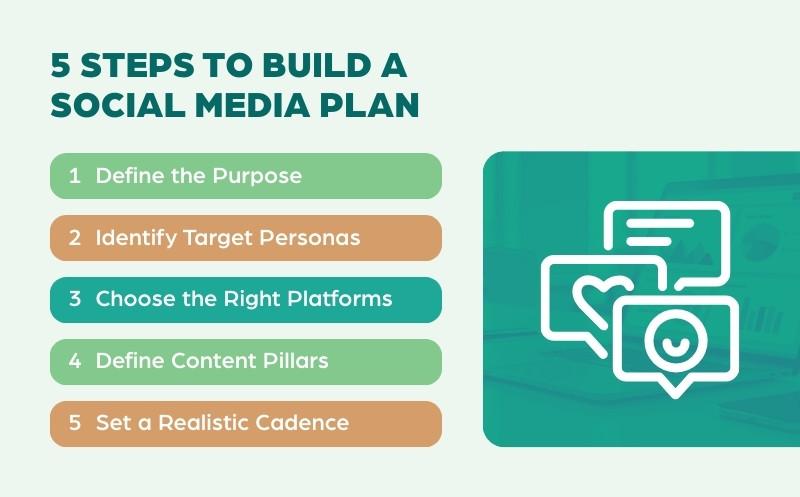
Step 1: Define the Purpose of Social Media
Before deciding what to post, be clear on why you’re posting. Ask:
- What role should social media play in our marketing mix?
- Which of our organizational goals does it support?
- What does success look like?
Examples of clear purposes include increasing local brand awareness, educating DIY customers, highlighting expertise and service, and supporting other channels like SEO, ads and in-store promotions.
Don’t try to make social media do everything. A focused purpose leads to better content and more consistent execution.
Step 2: Identify Which Personas You’re Talking To
A strong plan starts with clarity about who you’re trying to reach. Social media should never be built for “everyone.” It should support the customer types that matter most to your business right now. Ask:
- Which personas use social media?
- How do they use it?
- What content would actually help them?
For example, DIY customers may engage more with project ideas, how-to content, seasonal tips and visual inspiration. Pro and contractor customers may care less about trends and more about reliability, product availability, hours and efficiency.
Not every persona needs equal attention on social media. Prioritizing keeps content focused and relevant. If you haven’t defined personas yet, start with the target persona guide earlier in this series.
Step 3: Choose the Right Platforms
You don’t need to be on every platform. Choose based on how your personas behave, your internal capacity and the type of content you can realistically create.
Platform Selection Cheat Sheet for Hardware Stores & Lumberyards
| Platform | Best used for | Primary audience | Notes |
|---|---|---|---|
| Community updates, promotions, events, reviews | DIY customers, local shoppers | Strong for local visibility and ongoing awareness. Works well in most markets. | |
| Visual content, projects, tips, brand personality | DIY homeowners, inspiration seekers | Best if you can create consistent photos or short videos. | |
| Pro relationships, B2B communication, hiring | Contractors, builders, property managers | Most valuable for lumberyards or pro-focused hardware stores. | |
| Google Business Profile | Local discovery, reviews, store info | High-intent local customers | Not optional. Critical for visibility, trust and “near me” searches. |
Step 4: Define Content Pillars
Once you know your platforms and audience, decide what value your content should consistently deliver. That’s where content pillars come in. They act as guardrails, connecting your goals and platform choices to what you actually post, so posts are intentional instead of reactive.
When defining your pillars, ask what value social media provides your customers, what each platform supports best and how the content reinforces your organizational goals. Common pillars for hardware stores and lumberyards include:
- Educational tips and how-tos that help customers complete projects with confidence
- Product or department spotlights that highlight availability, solutions or seasonal needs
- Team expertise and service that reinforce trust and reliability
- Community involvement, such as local events, partnerships or customer stories
- Seasonal or project-based content tied to weather, timing or common needs
Every post should support at least one pillar and match your brand voice. When pillars are clear, planning gets easier, content feels more consistent and social media becomes a support tool instead of a daily question mark.
Step 5: Set a Realistic Posting Cadence
Consistency matters more than frequency. Choose a cadence your team can sustain. Two to three posts per week is often enough, quality beats quantity, and it’s okay to adjust over time. A realistic cadence prevents burnout and keeps social media manageable.
Step 6: Define How You’ll Measure Success
Social media metrics should match its purpose. Common metrics include engagement (likes, comments, shares), reach and impressions, profile visits and website clicks when applicable.
Don’t judge success on follower count alone. Focus on trends and alignment with your goals. At Mojo, we encourage stores to treat social as a supporting channel, not the sole measure of marketing success.
Quick Action Steps for Hardware Store and Lumberyard Owners
Want to improve your store’s social media presence? Begin here:
- Clarify the role of social media. Decide what it should support for your store, such as awareness, education or community engagement.
- Identify your primary personas. Focus content on the customer types that matter most, like DIY homeowners or contractors.
- Choose one or two primary platforms. Start with the ones that best match your customers and your team’s capacity.
- Define 3–5 content pillars. For example: project tips, product highlights, team expertise and community involvement.
- Create a simple posting schedule. Even two consistent posts a week can build visibility and trust over time.
Consistency and clarity matter more than posting volume.
Download the Social Media Plan Template
To help you build this plan, we’ve created a free Social Media Plan Template built specifically for hardware stores and lumberyards. It builds on the persona and channel audit work from earlier in the series and turns insight into a plan you can actually maintain.
Free template · Step 10 of 16
Social Media Plan Template
This template helps you:
- Define what social media should support
- Align content with your personas
- Choose platforms intentionally
- Build a sustainable content plan
Make Social Media Work for You
A social media plan removes guesswork. When it’s aligned with your goals, personas and capacity, social media is easier to manage and more effective over time. It’s the same approach we use at Mountain Mojo Group: treating social media as part of a larger system, not a standalone task.
In the next guide, we’ll cover how to build an SEO strategy that supports long-term visibility and growth. Later, we’ll turn your social plan into a content calendar.
Want help applying this to your store?
Let’s talk about how social media fits into your bigger picture.
The Hardware Marketing Series
This article is part of our complete marketing strategy framework for independent hardware stores, lumberyards, farm stores and ag stores, including retailers affiliated with Ace Hardware, True Value and Do it Best, and suppliers such as Orgill. Work through all 16 steps to build your strategy in a structured, intentional way. See the full series.
- How to Create Organizational Goals for Your Hardware Store
- How to Create Revenue Goals
- How to Perform a Market Share & Competitive Analysis
- How to Create Customer Surveys
- How to Define Mission, Vision & Core Values
- How to Audit Your Branding
- How to Create Target Personas with Shopping Behaviors
- How to Audit Social Media, Google Ads & SEO
- How to Build & Maintain Your Google Business Profile
- How to Build a Social Media Plan (you’re here)
- How to Build an SEO Strategy
- How to Build Social Media & Google Ads Campaigns
- How to Build an Email Newsletter
- How to Build a Content Calendar
- How to Build a Marketing Budget
- How to Build a Holistic Marketing Strategy