
Hardware Marketing Series · Part 7 of 16
Marketing works best when it’s built for specific customers, not broad assumptions.
Target personas help hardware stores and lumberyards understand who they’re trying to reach, how those customers shop and what influences their decisions. When personas are clear, marketing is easier to plan and easier to evaluate. But personas only work when they’re grounded in real behavior, not generic labels or guesswork.
At Mountain Mojo Group, we see the strongest results when personas are built on the work from earlier in this series: organizational goals, revenue goals, market share and competitive analysis and customer survey data. Here’s how to create target personas with shopping behaviors that keep your marketing focused and relevant.
This guide is Part 7 of our 16-part hardware marketing series. Each article walks through one step in building a connected marketing strategy for independent hardware stores and lumberyards, from organizational clarity to a complete marketing system built for long-term growth.
Free template · Step 7 of 16
Target Persona Template
This template helps you:
- Define your core personas
- Document their shopping behaviors
- Map personas to marketing channels
- Prioritize personas based on your goals
Why Customer Personas Matter for Hardware Stores and Lumberyards
Personas bring focus to marketing decisions. They turn customer data into a clear picture of who you serve and how to connect with them.
Without personas, messaging becomes generic, channel selection is unclear, marketing feels scattered and budget gets spread too thin.
With clear personas, messaging speaks directly to customer needs, channels are chosen intentionally, campaigns perform better and decisions get easier.
Hardware stores and lumberyards serve a wide mix of customers, from DIY homeowners and weekend project shoppers to contractors, builders, property managers, maintenance teams and local businesses. Personas help you decide which audiences to focus on at a given time, based on your goals and growth priorities.
Personas aren’t about excluding customers. They’re about directing marketing where it will be most effective.
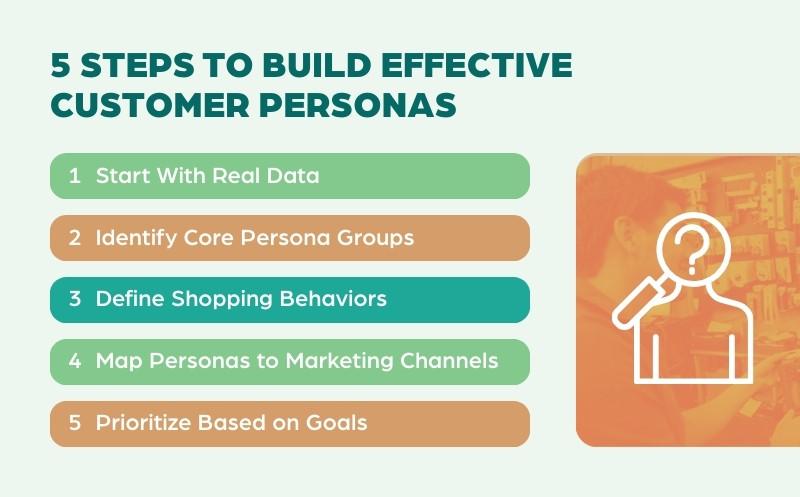
Step 1: Start With Real Data (Not Assumptions)
The strongest personas are built on real insight. Use:
- Customer survey results
- Sales and transaction data
- Loyalty program information
- Team observations from the sales floor or yard
- Your competitive analysis
Avoid relying on guesses like “most of our customers are DIY,” “contractors don’t use social media” or “everyone shops the same way.” Instead, look for patterns in how customers discover your store, make purchasing decisions, shop different departments and interact with your brand across channels.
A data-driven approach keeps personas tied to reality, not stereotypes. Many owners also find that conversations with other independent hardware retailers help validate their assumptions and surface patterns they wouldn’t see on their own.
If you’ve already gathered customer feedback, this is where it pays off. Survey insights can quickly reveal patterns that are hard to see in sales data alone. If you haven’t collected that input yet, start with the customer survey guide earlier in this series. And if you’d like help turning survey data and internal insights into usable personas, book a discovery call with Rand.
Step 2: Identify Your Core Persona Groups
Most hardware stores don’t need dozens of personas. Start with 2–4 core personas that represent most of your revenue or growth opportunity.
Common examples include DIY homeowners, pro contractors, property managers and seasonal or project-based shoppers. Each persona should represent a distinct set of behaviors, not just demographics. Ask:
- Who shops differently?
- Who values different things?
- Who interacts with marketing differently?
Fewer, clearer personas lead to stronger marketing focus.
Step 3: Define Shopping Behaviors (This Is the Key)
Demographics tell you who someone is. Shopping behaviors tell you how they buy. For each persona, define:
- Frequency of visits
- Average purchase size
- Departments shopped
- Decision drivers (price, service, expertise, convenience)
- Research habits (online vs. in-store)
- Preferred communication channels
Understanding these differences lets your marketing match how customers actually shop.
Example persona
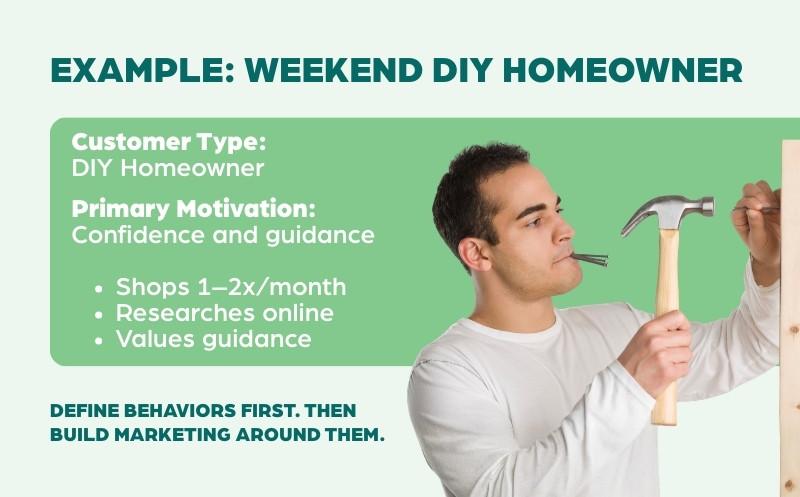
“Weekend DIY Dana”
Customer type: DIY homeowner · Primary motivation: Confidence and guidance
Dana is a homeowner who tackles projects on weekends and evenings. She shops with a specific project in mind and values clear advice, product recommendations and reassurance that she’s buying the right materials.
Shopping behaviors
- Visits the store 1–2 times per month
- Shops paint, hardware, tools and seasonal departments
- Often researches online before visiting
- Asks staff for confirmation before purchasing
Decision drivers
- Clear explanations
- Helpful staff
- Educational content
- Easy-to-find products
Marketing implications
- Responds well to how-to content and project guides
- Benefits from in-store signage and staff recommendations
- Likely to engage with email tips or seasonal project reminders
For Dana, marketing should emphasize education, clarity and support rather than promotions or urgency.
Step 4: Map Personas to Marketing Channels
Personas help answer an important question: where should marketing focus? For each persona, consider where they discover businesses, which channels they trust and how they prefer to receive information.
Some personas respond better to search and local listings; others to email newsletters, social media or in-store promotions. Matching channels to behavior prevents wasted effort.
Step 5: Prioritize Personas Based on Goals
Not every persona needs equal attention at all times. Use your organizational and revenue goals to decide:
- Which personas matter most right now?
- Which represent a growth opportunity?
- Which need more support or retention?
This keeps marketing focused and aligned with business priorities. At Mojo, persona prioritization is a key step in building efficient, effective marketing strategies.
Quick Action Steps for Hardware Store and Lumberyard Owners
Want to start building customer personas? Begin here:
- Review your existing customer data. Look at sales reports, loyalty data and purchase patterns to spot common customer groups.
- Combine data with customer feedback. Use surveys and team observations to understand motivations and decision drivers.
- Identify 2–4 core persona groups. Focus on the customer types with the largest revenue or growth potential.
- Document shopping behaviors. Define how often each persona shops, what they buy and how they find your store.
- Align marketing with persona behavior. Use personas to guide messaging, channel selection and priorities.
Download the Target Persona Template
To help you apply this process, we’ve created a free Target Persona Template built specifically for hardware stores and lumberyards. For best results, use it alongside the organizational goals, revenue goals and competitive analysis guides earlier in the series.
Free template · Step 7 of 16
Target Persona Template
This template helps you:
- Define your core personas
- Document their shopping behaviors
- Map personas to marketing channels
- Prioritize personas based on your goals
Market With Clarity
Target personas give marketing clear direction. When they’re built on real shopping behaviors, marketing becomes more focused, more efficient and easier to evaluate. It’s the same approach we use at Mountain Mojo Group to help hardware stores and lumberyards concentrate effort where it actually drives results.
In the next guide, we’ll walk through how to audit your social media, Google Ads and SEO so you can see how well your current marketing matches the personas you’ve defined.
Want help applying this to your store?
Let’s talk about who your customers really are and how to reach them more effectively.
The Hardware Marketing Series
This article is part of our complete marketing strategy framework for independent hardware stores, lumberyards, farm stores and ag stores, including retailers affiliated with Ace Hardware, True Value and Do it Best, and suppliers such as Orgill. Work through all 16 steps to build your strategy in a structured, intentional way. See the full series.
- How to Create Organizational Goals for Your Hardware Store
- How to Create Revenue Goals
- How to Perform a Market Share & Competitive Analysis
- How to Create Customer Surveys
- How to Define Mission, Vision & Core Values
- How to Audit Your Branding
- How to Create Target Personas with Shopping Behaviors (you’re here)
- How to Audit Social Media, Google Ads & SEO
- How to Build & Maintain Your Google Business Profile
- How to Build a Social Media Plan
- How to Build an SEO Strategy
- How to Build Social Media & Google Ads Campaigns
- How to Build an Email Newsletter
- How to Build a Content Calendar
- How to Build a Marketing Budget
- How to Build a Holistic Marketing Strategy